
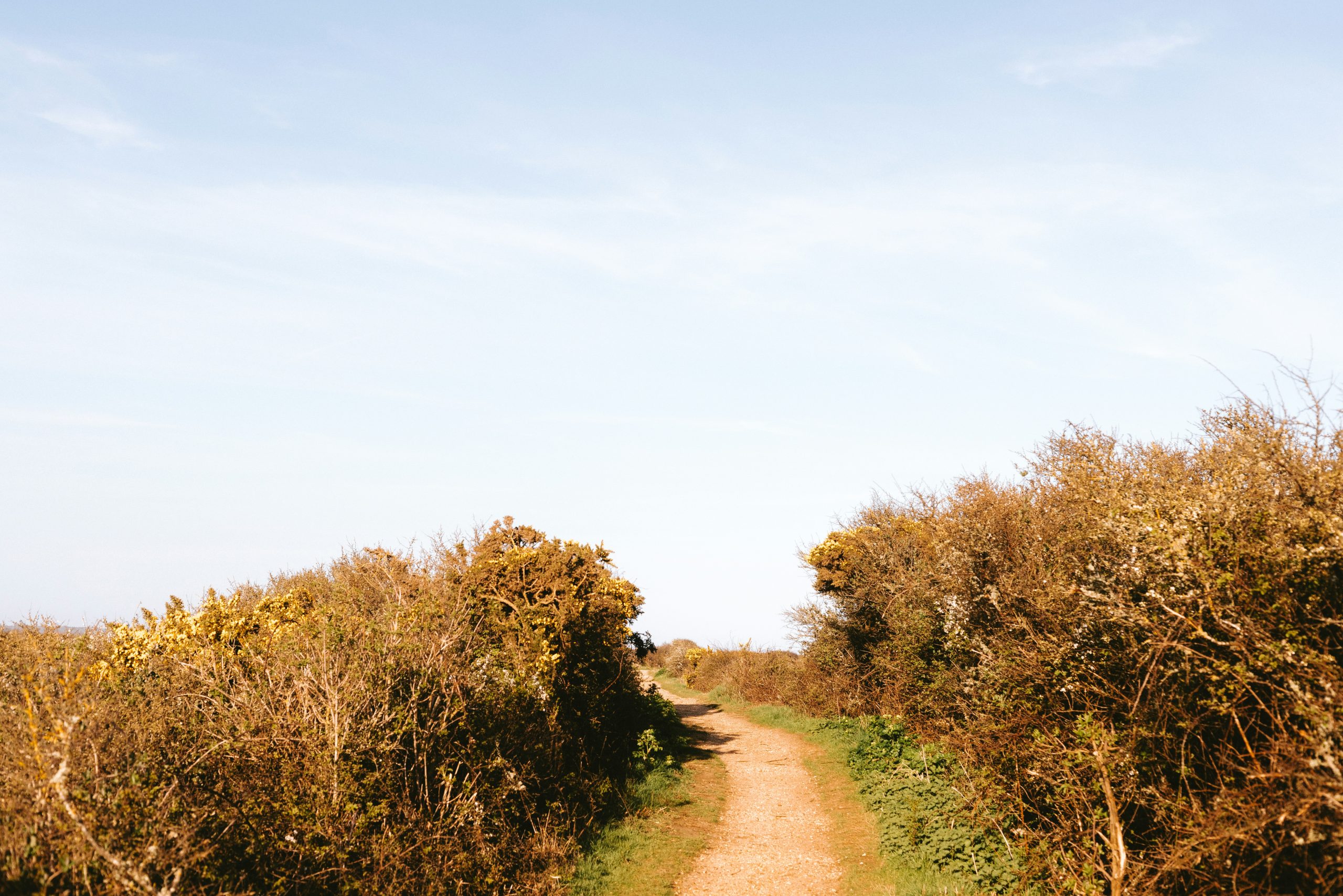
Living in Wiltshire, hedgerows are such a familiar part of the landscape that it’s easy to stop really looking at them. They edge our lanes, fields and footpaths, sometimes for miles, and at this time of year they suddenly seem to come back to life.
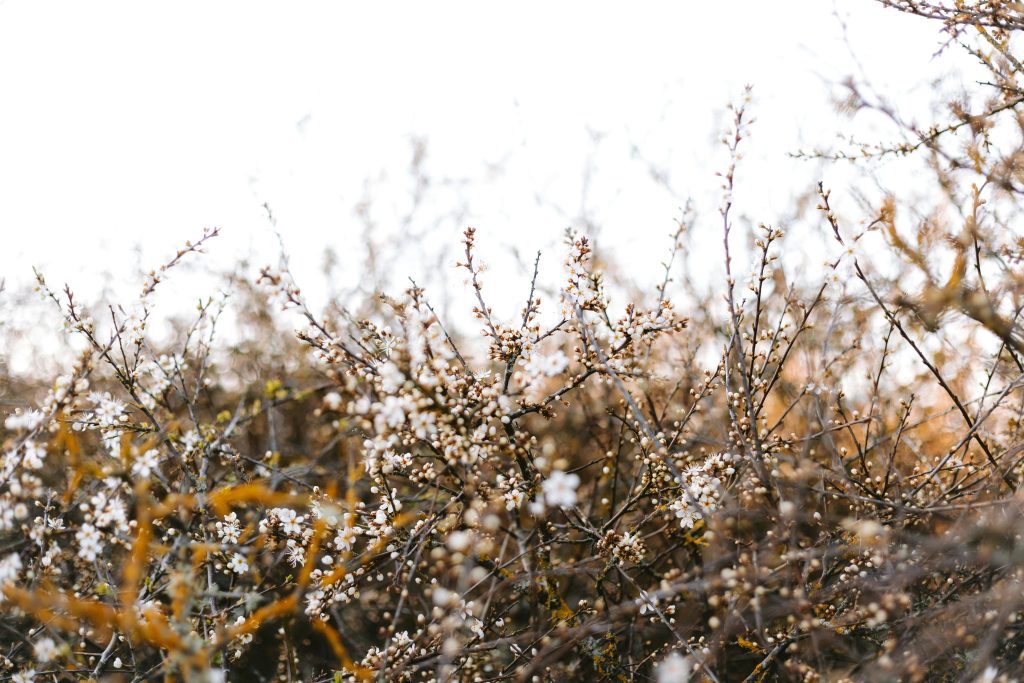
Blackthorn is one of the first things I notice, its little white flowers appearing before the leaves. Then there’s hawthorn beginning to green up, cow parsley gathering along the verges, bright dandelions, nettles, cleavers and the first signs of everything that’s going to follow.
I love walking along a country lane and seeing what I can spot. Look a little closer and a hedgerow is much more than a boundary between two fields. It can be full of birds, insects, wildflowers and tiny places for wildlife to shelter and feed.
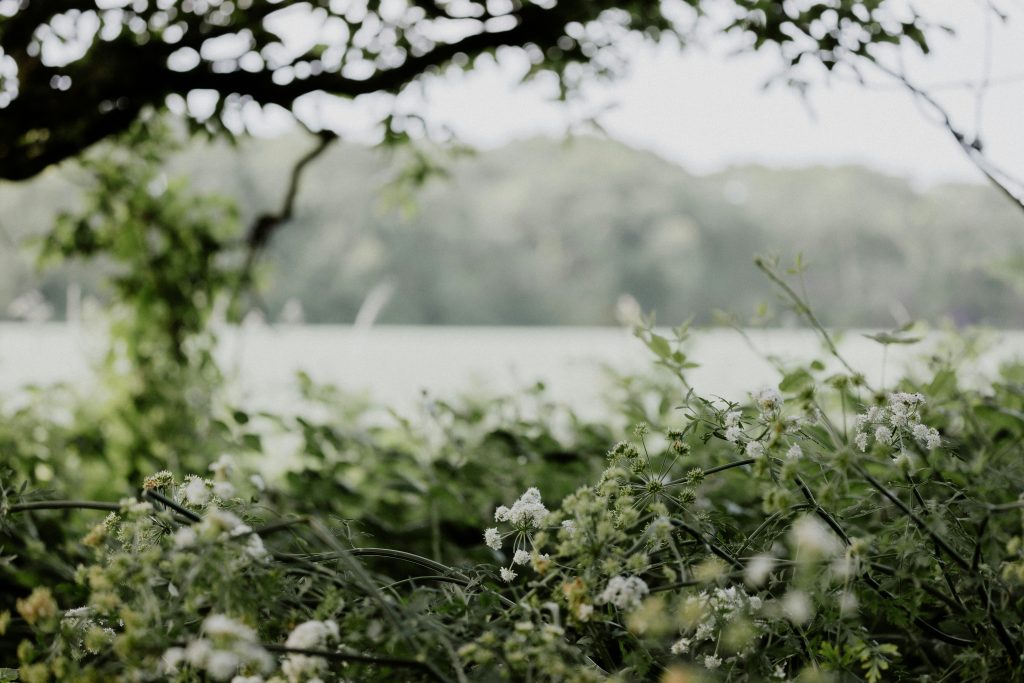
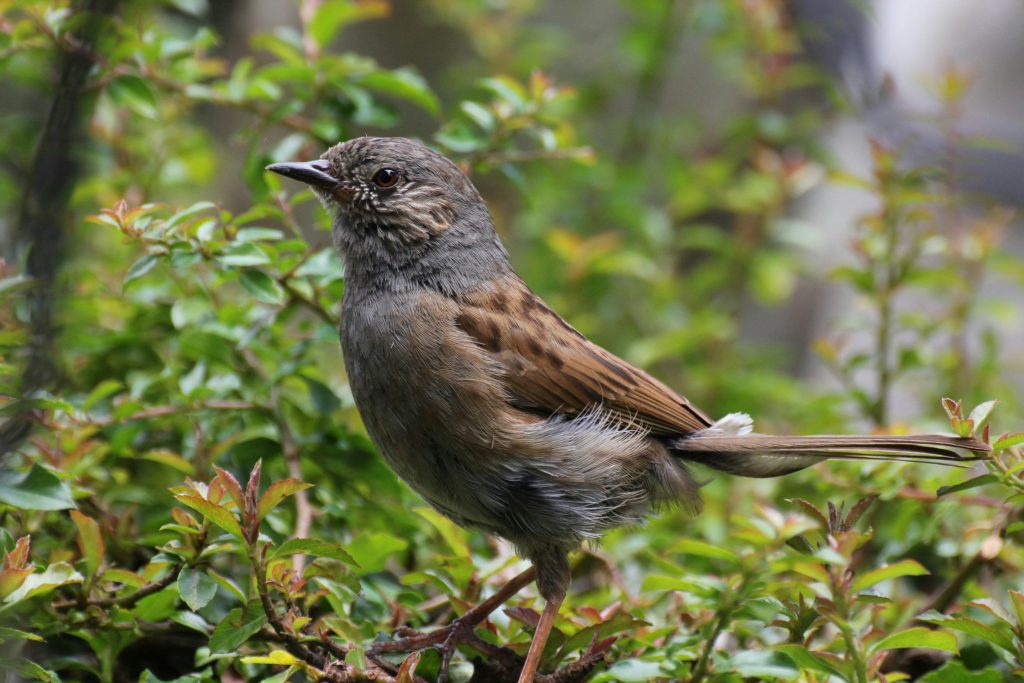
Hedgerows are a huge part of the county’s rural landscape, connecting woodland, farmland, chalk downland and villages. Some are hundreds of years old and can tell us something about the history of the land itself.
They’re important for nature too. Hedgerows provide food, shelter and nesting places for birds, mammals and insects, while also acting as wildlife corridors, allowing species to move through landscapes that might otherwise be broken up by roads and farmland. Which makes them something worth looking after.
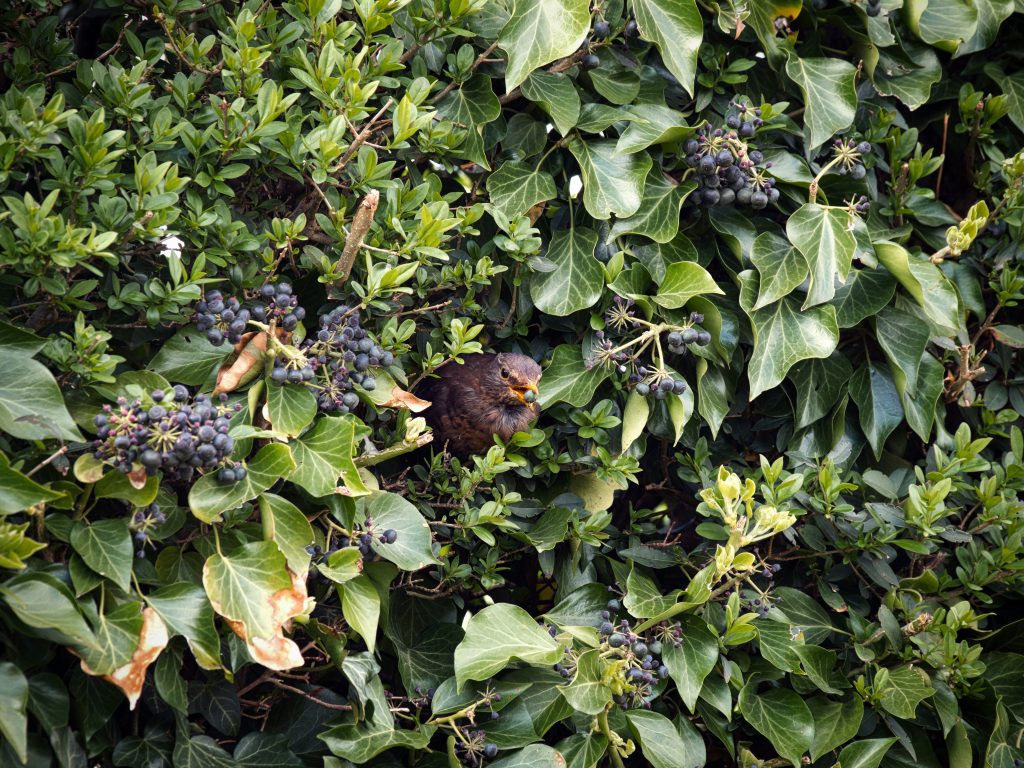
There are simple things we can do ourselves: avoid cutting hedges during the main bird-nesting season, leave a slightly wilder patch if we have room, grow native hedging plants and resist the urge to make everything too tidy. Even allowing some ivy, brambles or fallen leaves to remain can provide useful habitat.
And when I’m out walking, I’ve started trying to actually look at the hedgerows rather than simply walking past them.
How many different plants can I find? Is anything in flower? Can I hear birds inside the hedge even if I can’t see them? Are there bees or butterflies feeding there?
A hedgerow might look completely ordinary from a distance. Get a little closer, though, and there’s an awful lot going on.