
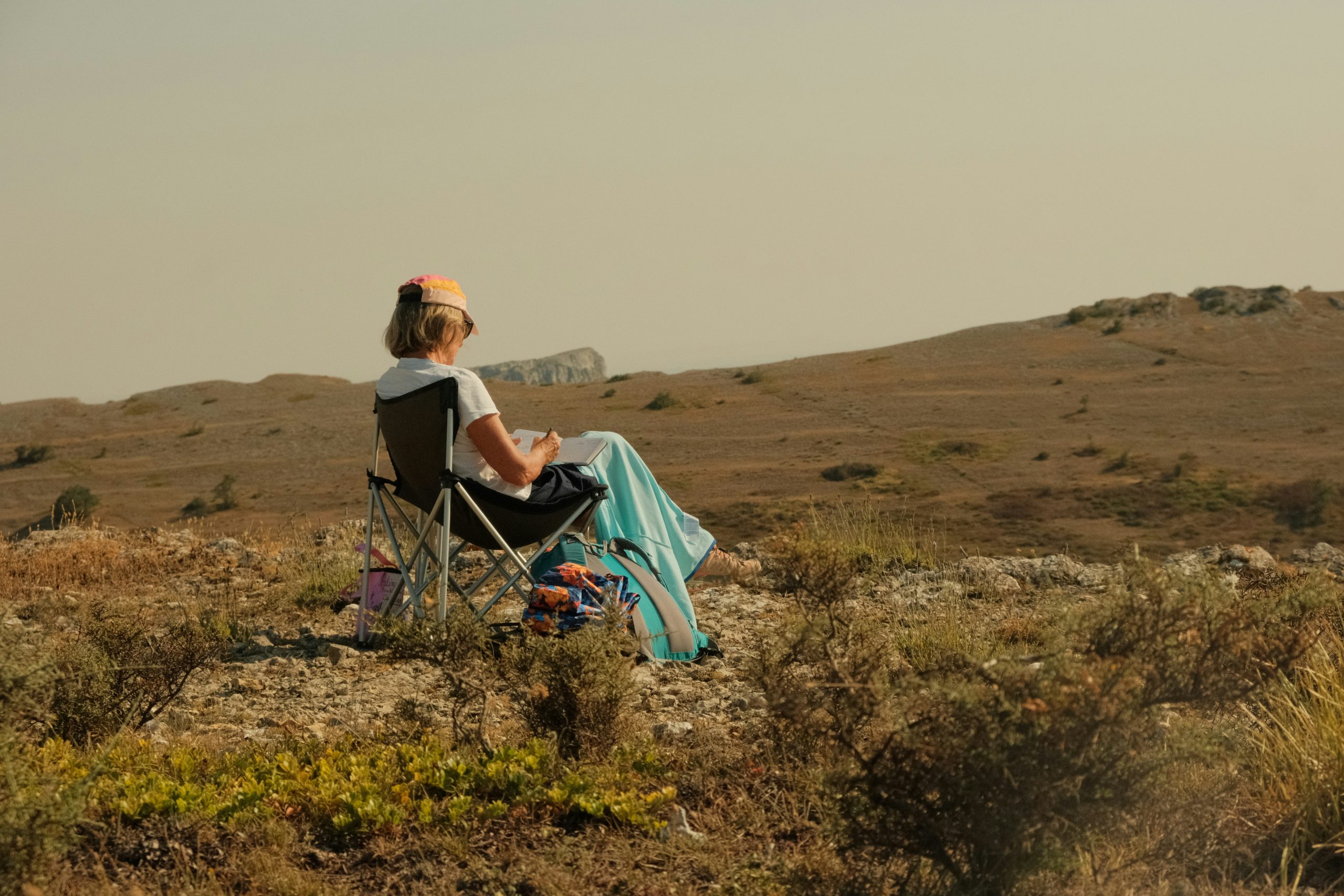
I have loved drawing and painting from nature since I was a child. There is something about observing the unfurling of a fern frond, the veins on a leaf, the way the light falls across a flower petal, that has always seemed like magic to me. As an adult with a business to run, a daughter to raise and the relentless noise of modern life to navigate, that creative, contemplative version of me tends to get squeezed out. The sketchbook sits unused on the shelf. And on the rare occasion when I do sit down to draw, I am always my own harshest critic, convinced before I have really begun that whatever I produce will not be good enough.
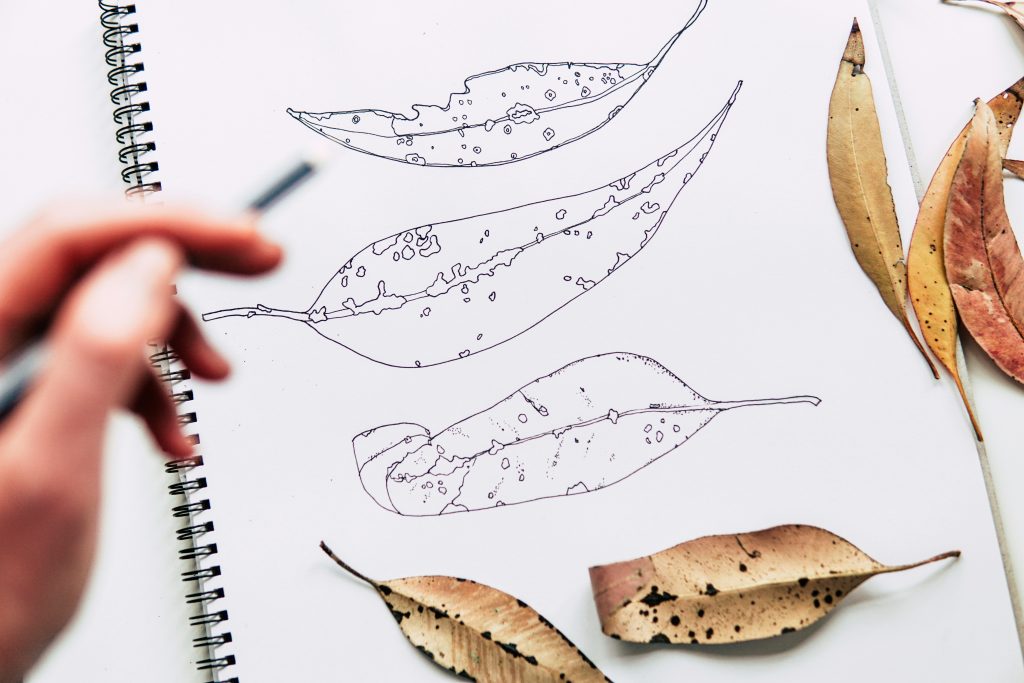
So, when Dr Ali Foxon appeared in my Instagram feed talking about green sketching and mentioned she was training people to become ambassadors for the practice, I did not hesitate. Here was a way of combining two things I love, nature and drawing, that gave me permission to be imperfect. More than that, it invited me to be. It has also turned into something my daughter and I love doing together, which feels like a real gift.
What is green sketching?
It was founded by Dr Ali Foxon, a Peak District-based artist, author and fellow of the Royal Geographical Society, with a PhD in climate change and nature conservation. She discovered that the act of really looking at nature, and recording what she saw through simple sketching, quietly transformed her mental health and her relationship with the natural world. It is now a growing movement, with trained ambassadors across the UK and beyond, built around one central belief: the quality of your sketch is entirely irrelevant. What matters is the quality of your attention.
It is not about learning to draw or impressing anyone. It is about using sketching as a tool to really see and appreciate the beauty around us, the beauty we so often walk straight past when we are busy or staring at our phones. Her green sketching manifesto puts it simply: sketch in your own way, for your own wellbeing, focusing on the experience rather than the quality of the artwork.
Try the daisy exercise
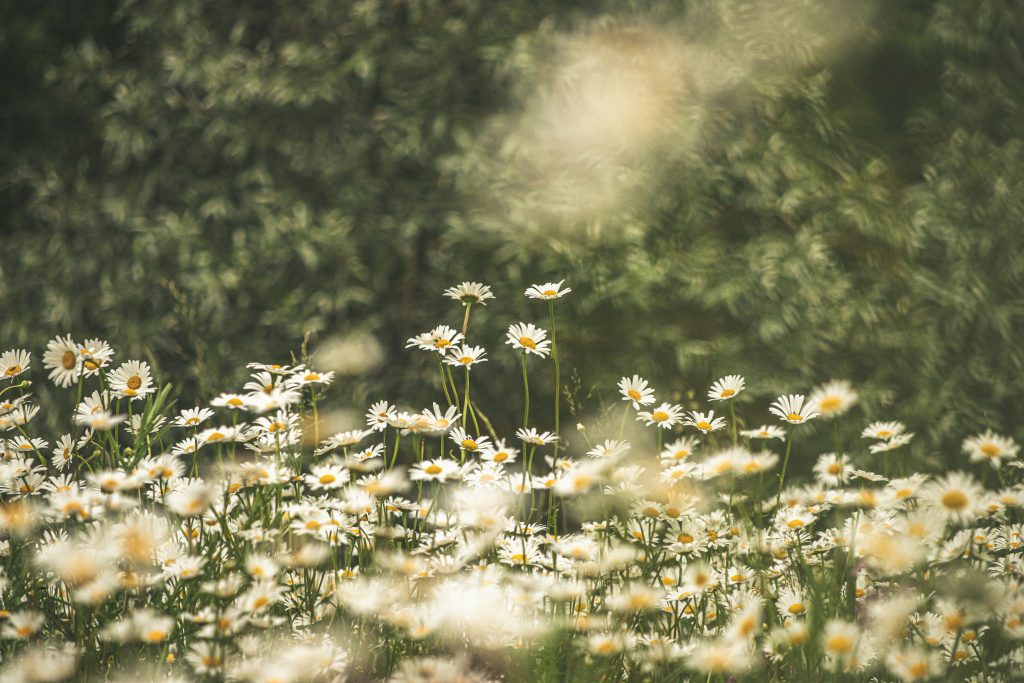
One of the exercises Ali shares in her book beautifully illustrates the whole point. Before you head outside, draw a daisy from memory. Then go out and find a real one and sketch it again, this time taking the time to really look. Notice the intricate pattern of the yellow centre, the way the petals are not all identical, the subtle shadows along each one, the slight curve of the stem. The difference between your two sketches will have nothing to do with artistic ability and everything to do with attention. Once you have truly looked at a daisy that way, you will never pass one again without seeing its wonder.
Nature really is good for you
The research is compelling, too. The Mental Health Foundation has found that actively noticing nature through simple outdoor activities is one of the most powerful ways to support mental health, with nearly half of UK adults saying green spaces helped them cope with stress.
A study in the journal People and Nature found that those who focused on natural elements during a walk reported significant improvements in mood and reduction in anxiety. And a large meta-analysis of nearly 5,900 participants found that time in nature was particularly effective at reducing depression and anxiety.
Ali is also collaborating with psychology researchers at the University of Derby on projects investigating green sketching. Their wider research into nature connectedness, named one of the UK’s 100 best research breakthroughs, shows that a true bond with nature comes through emotion, beauty and compassion rather than knowledge – which is precisely where green sketching operates. You do not need to identify a single species; you just need to notice something small and find it beautiful. They have also found that actively noticing nature delivers clinically significant improvements in mental health.
Why it has mattered to me
As a green sketching ambassador, I take small groups of friends out on sessions around Wiltshire, with hopes of opening these to the wider public one day. The practice has given me something I had not expected: permission to be in nature in a way that is creative and purposeful, with no pressure to produce a masterpiece.
I have also found that sketching on a day out, even just for five minutes, embeds the experience far more vividly. A photo takes a second; a sketch requires you to be genuinely present. Months later, even the scrappiest drawing can take you straight back to the smell of the air and the sound of the birds. And being part of Ali’s wider ambassador community adds another layer of joy, with quarterly online catch-ups connecting nature and art lovers across the country.
Getting started
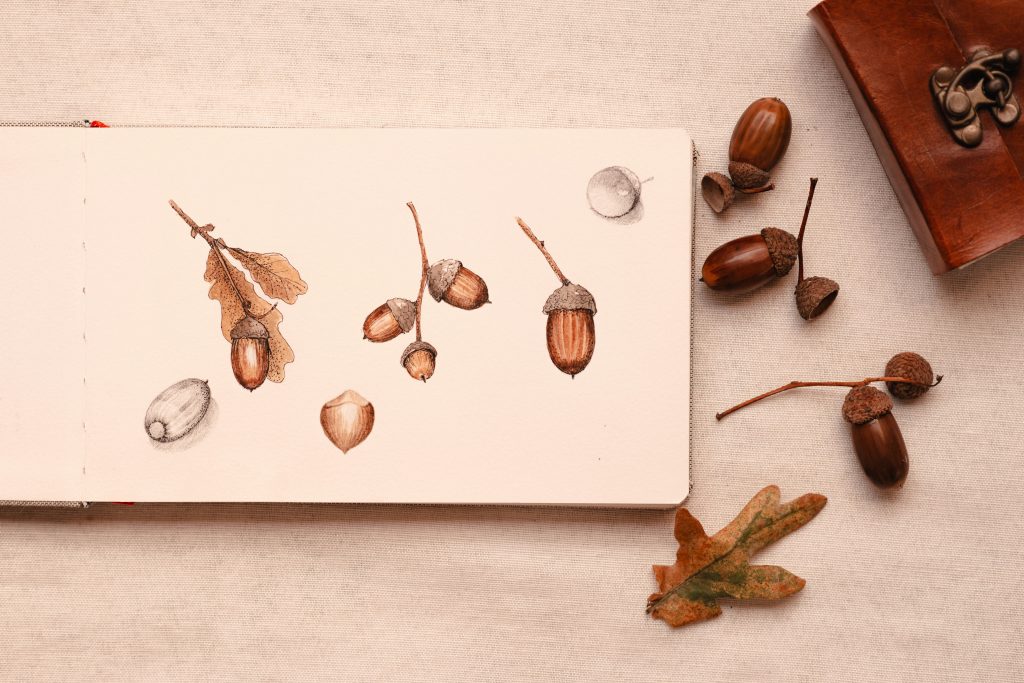
All you need is a small sketchbook (A5 slips easily into a bag) and a pencil or pen. Head outside, find something that catches your eye – a single flower, an interesting leaf, the silhouette of a seed head – and spend a moment simply looking before you draw.
Doodle it in your own way – you do not need to be any kind of artist. Summer is the most generous time to begin, with the hedgerows full and the gardens overflowing. Stay curious, resist the urge to judge, and trust that it is the looking that matters.
To find out more or explore becoming a green sketching ambassador yourself and to purchase Ali’s Greensketching book, visit alifoxon.com. You can also find Ali’s TED talk here.