
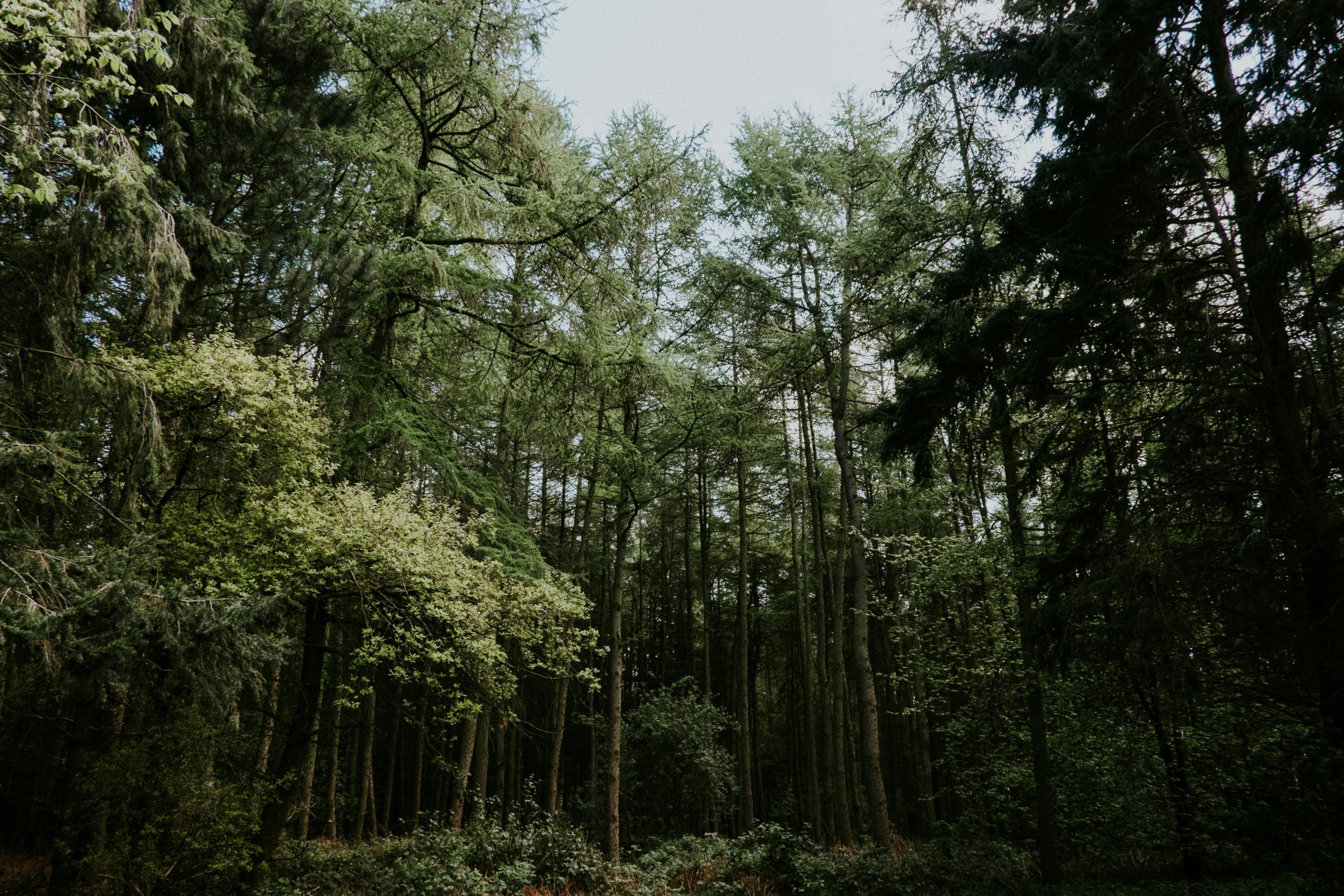
I’ve always loved trees, but I don’t think I’d ever really considered quite how much is happening in a woodland that we can’t see.
That is at the heart of Peter Wohlleben’s bestselling book The Hidden Life of Trees. Wohlleben spent many years working as a forester in Germany, and the book invites us to look at a forest not simply as a collection of individual trees, but as a complicated living ecosystem in which trees, fungi, soil and countless other organisms interact.
It’s a fascinating thought to take with you on your next woodland walk.
What exactly is happening underground?
One of the best-known ideas associated with the book is that trees can be connected below ground through fungi.
Most trees form relationships with mycorrhizal fungi, which associate with their roots. It’s a mutually beneficial arrangement: fungi receive carbon produced by the plant through photosynthesis, while helping the plant acquire nutrients such as nitrogen and phosphorus. This relationship between plants and fungi is very well established scientifically.
Things become more complicated when we start talking about trees ‘communicating’ or ‘helping’ one another.
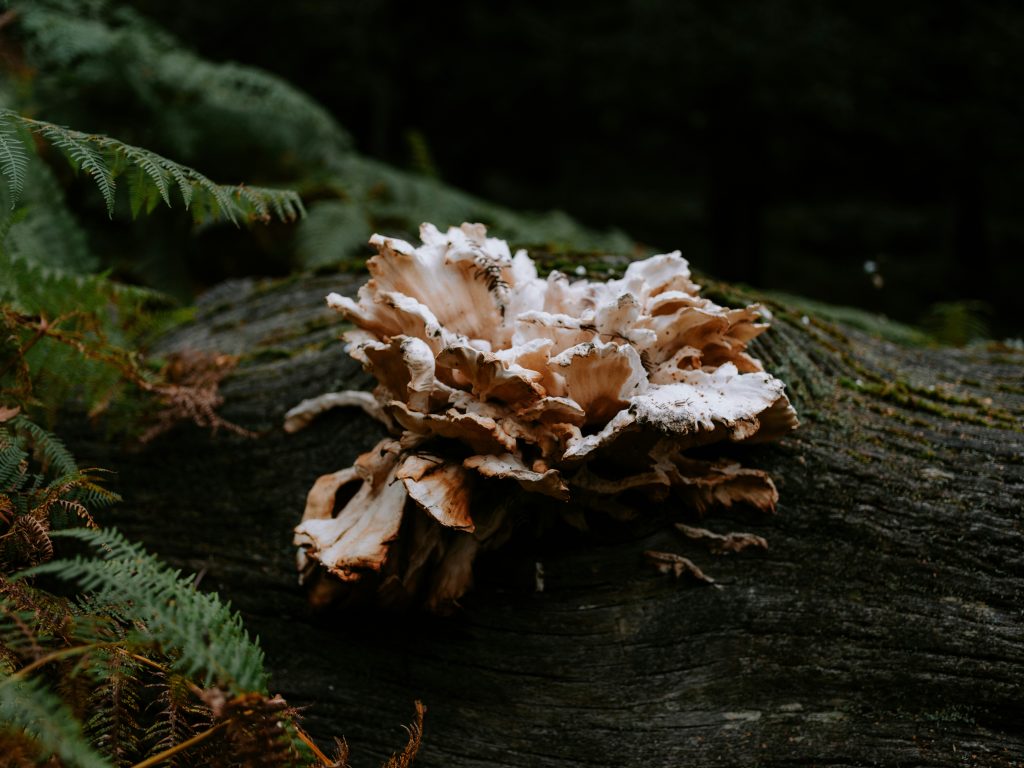
Research has shown that fungal networks can connect different plants and that carbon transfer between tree species can occur. A landmark field experiment published in Nature in 1997, for example, demonstrated carbon transfer between paper birch and Douglas fir seedlings.
But the science doesn’t quite support the lovely image of an underground woodland internet through which wise old trees deliberately send food and warning messages to their friends and children.
More recent scientific reviews have cautioned that popular descriptions of the so-called ‘wood-wide web’ have sometimes gone considerably further than the evidence. In particular, claims that mature trees deliberately send resources or defence signals to their offspring through fungal networks haven’t been demonstrated in peer-reviewed research. Scientists are still investigating exactly how these incredibly complex underground relationships work.
And, if anything, I find the reality more interesting. There is still an enormous amount we don’t understand about what is happening beneath our feet.
Trees aren’t as solitary as they look
The book also challenges the way we tend to see a tree as a single object.
Stand beside an old beech or oak and it’s easy to concentrate on what you can see: trunk, branches, leaves, perhaps the birds and insects using it.
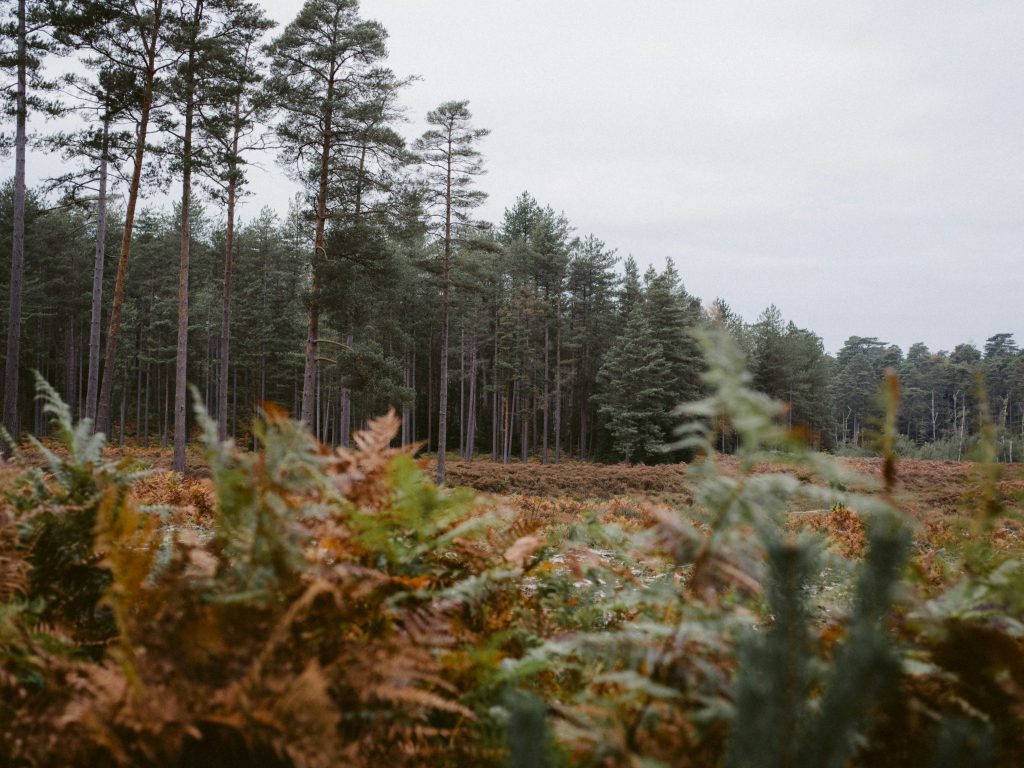
Underground is another world entirely.
Roots spread through soil populated by fungi and microorganisms. Trees compete for light, water and nutrients, while simultaneously participating in relationships with fungi and other organisms that can influence how they obtain nutrients and respond to their environment.
It’s less a woodland full of separate individuals and more an extraordinarily complicated community.
Wohlleben uses very human language to describe this – trees have ‘friends’, communicate and care for one another – which is part of what makes the book so enjoyable to read. It shouldn’t necessarily be taken literally, though. Trees don’t have friendship or intention in the human sense, and scientists have warned against confusing ecological processes with evidence that trees think and feel as we do.
A different way to walk through a wood
This is probably what I like most about The Hidden Life of Trees. It makes you want to go outside and look again.
Next time you’re walking through woodland, stop beside one of the oldest trees you can find.
Look at its bark. Look for holes, fungi, moss and lichen. See what’s growing beneath it and whether younger trees are coming up nearby. Look at where its roots disappear into the soil and imagine how much more of the tree exists beyond what you can see.
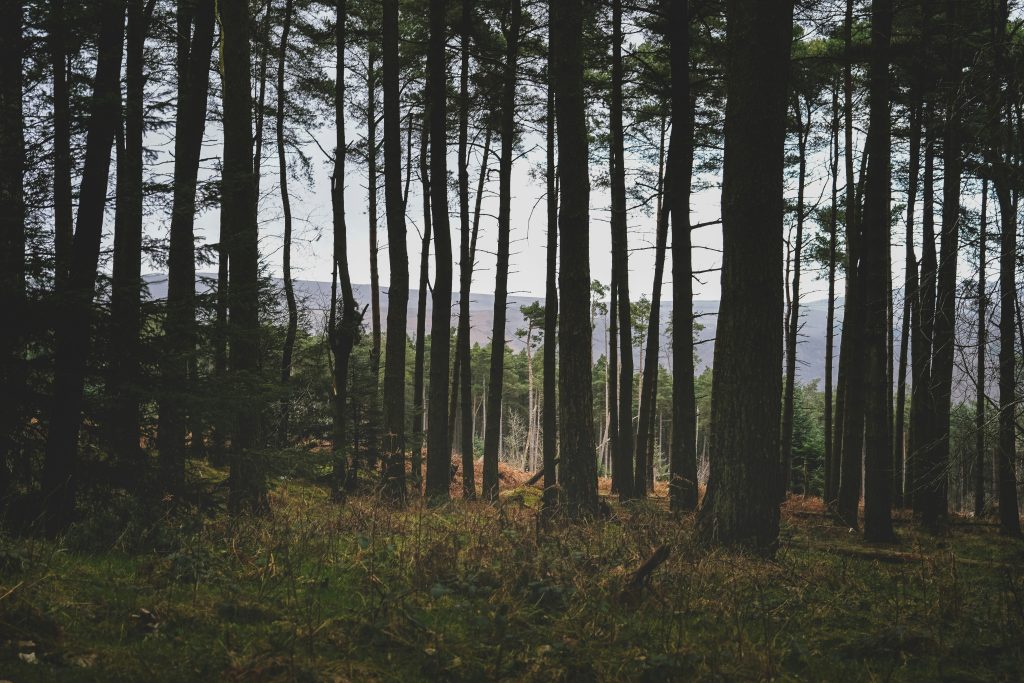
Then look upwards.
Which trees have reached the light? Which are growing in shade? Are their crowns touching? Is there a fallen tree slowly decaying on the woodland floor?
Even that dead tree is still part of the life of the wood, providing habitat and eventually returning nutrients to the ecosystem.
You don’t have to imagine trees whispering secretly to one another to find any of this extraordinary.
Perhaps that’s the real joy of Wohlleben’s book. It reminds us that a wood isn’t simply scenery to walk through. It’s alive, complicated and full of relationships we’re only beginning to understand.
And once you know that, it’s quite difficult to look at a tree in the same way again.
You buy a copy of The Hidden Life of Trees: What They Feel, How They Communicate – Discoveries from a Secret World by Peter Wohlleben here.