
I spend a lot of time thinking about why being in nature makes me feel better. It’s one of the reasons I started Little Piece of Wonder in the first place. But I recently came across a National Trust booklet called Nature and Me, which made me think about the difference between simply being outside and actually feeling connected to the natural world.
The guide is based on research by the University of Derby’s Nature Connectedness Research Group and looks at what helps us develop a closer relationship with nature – and why that relationship matters.
One of the things I found particularly interesting is that you don’t need to live in the countryside, know the names of hundreds of plants or spend your weekends hiking up mountains to experience that connection.
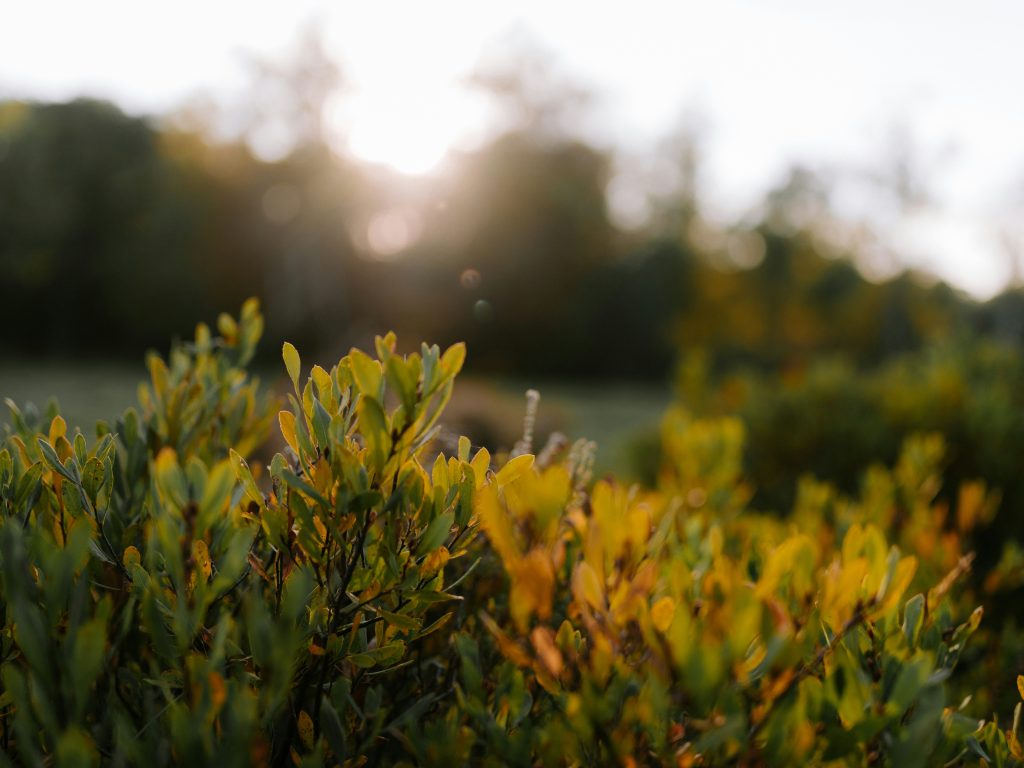
It can be as simple as stopping to listen to birdsong, noticing the shape of a leaf, looking properly at the evening sky or smelling a flower. The research highlighted in the booklet found that even people living in towns and cities can strengthen their connection with nature through these very ordinary experiences. In one study involving 582 adults, people were prompted to notice good things in urban nature for seven days, with improvements in mental health that were still evident at least a month later.
What I really liked, though, was the idea of five pathways to nature connection.
They’re not five more things to add to a to-do list. They’re simply different ways of experiencing the natural world.
1. Senses
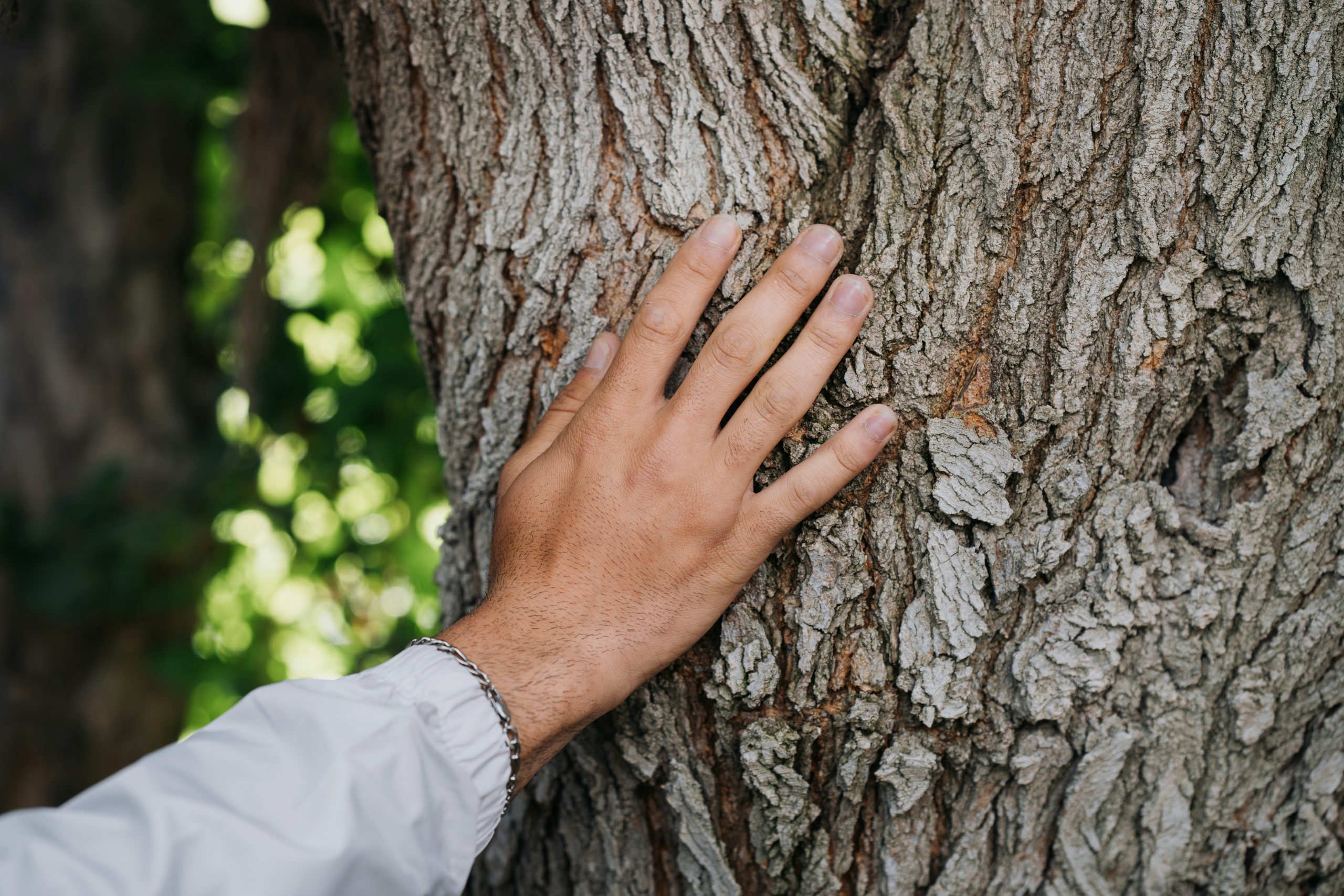
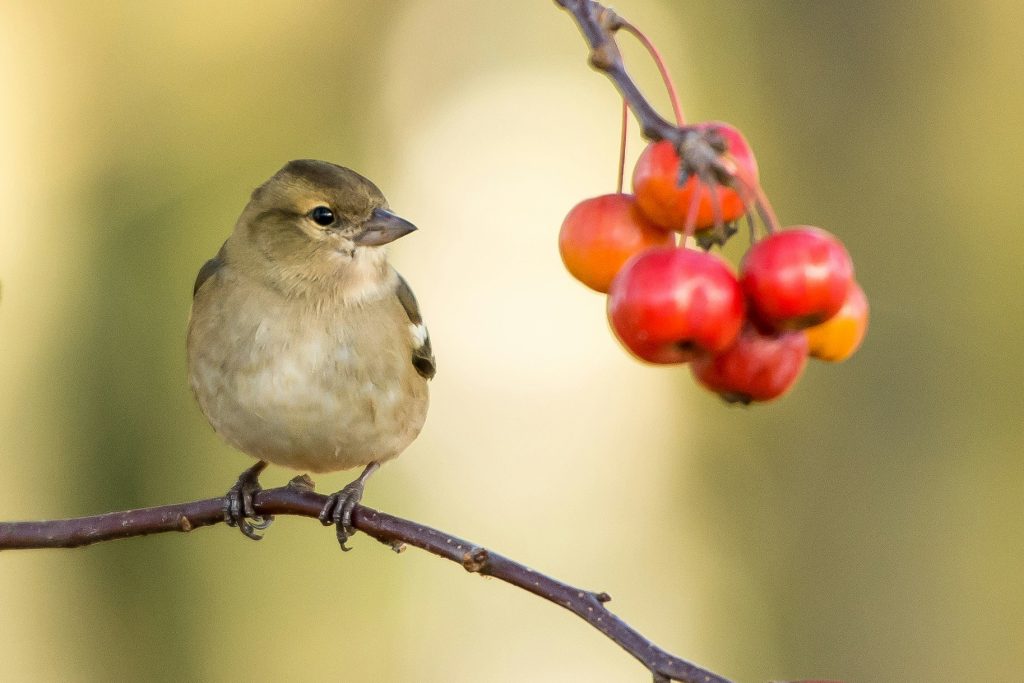
Listen to birdsong. Smell a flower. Feel the bark of a tree. Watch long grass moving in the wind.
Using our senses sounds ridiculously simple, but it changes the experience from merely walking through somewhere to actually engaging with what’s around us.
I sometimes realise I’ve completed an entire walk while thinking about work, what I need to buy for dinner or something I’ve forgotten to do. I’ve technically spent an hour in nature, but I’m not sure I’ve really experienced very much of it.
The senses pathway is a reminder to come out of your head occasionally and look, listen, touch and smell.
2. Emotion
This is about recognising how nature makes us feel.
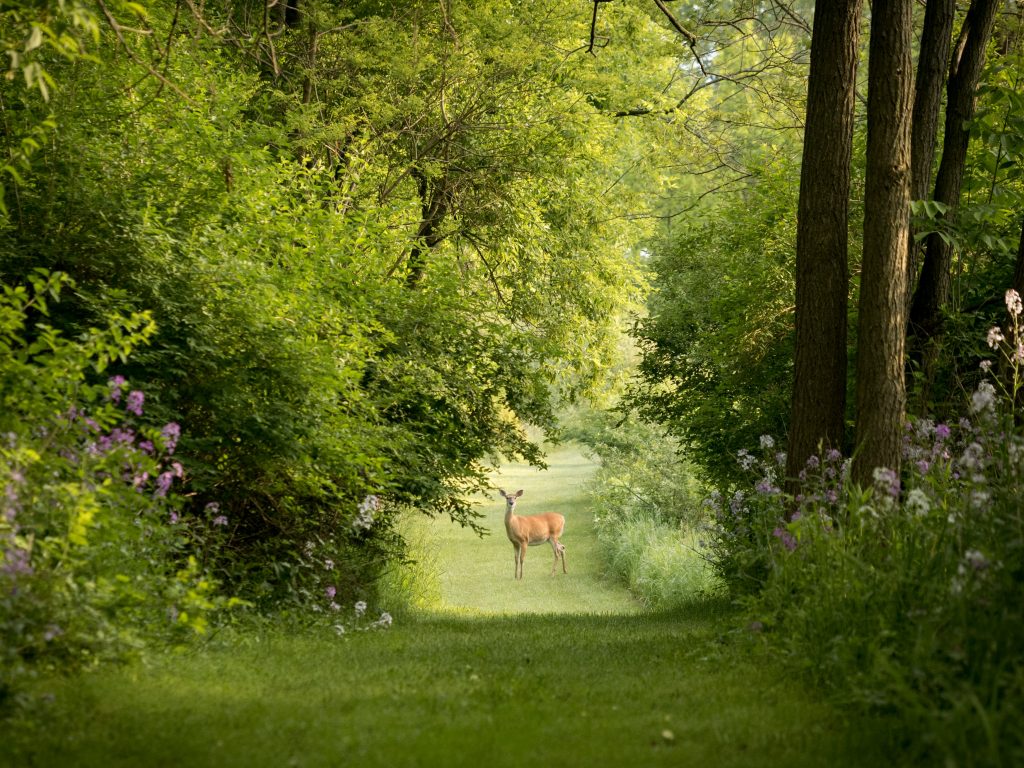
Perhaps it’s the lift you get when you see the first blossom of spring, the excitement of spotting a deer, the calm of sitting beside water or simply that feeling of relief when you step outside after spending too long indoors.
Rather than dismissing those responses, the idea is to notice them.
The research behind Nature and Me suggests that our emotional relationship with nature is an important part of nature connectedness – it’s about developing a sense of closeness rather than simply accumulating knowledge about it.
3. Beauty
This is probably the one I connect with most naturally.
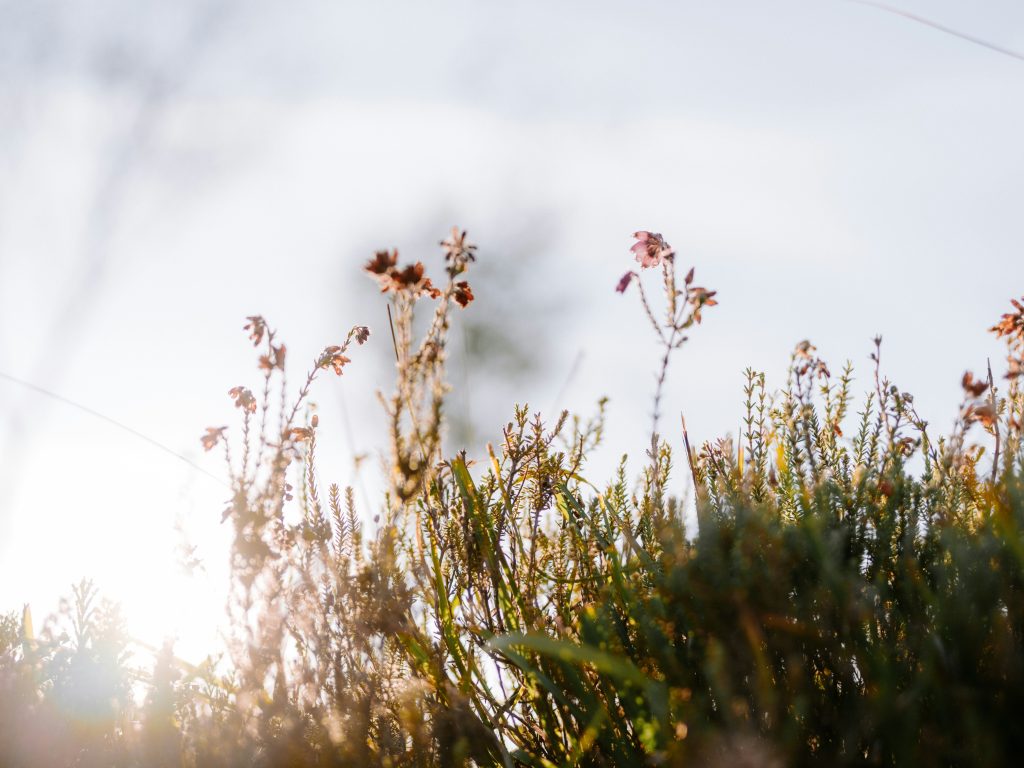
It’s noticing something simply because you find it beautiful: the colour of autumn leaves, an amazing view, frost on a spider’s web or sunlight coming through the trees.
It can also mean responding creatively to what you see through photography, drawing, painting, music or writing.
This immediately made me think about green sketching. Sitting down to draw something forces me to look at it for far longer than I would if I simply walked past it. I notice shapes, colours and details that I hadn’t seen before.
You don’t have to be artistic, either. Taking a photograph of a flower because its colour catches your eye counts too.
Patternity have some great photos of patterns in nature featured on their website. Click here to find out more.
4. Meaning
This one is slightly different. It’s about the place nature has in our lives, stories and traditions.
It could mean noticing the first swallow of summer, celebrating the solstice, learning some of the folklore attached to a particular tree or simply having a place outdoors that means something to you.
I love the idea of noticing the markers that tell us the year is moving on – the first snowdrops, blossom appearing, swallows arriving, blackberries ripening or leaves beginning to turn.
The booklet even suggests things such as creating a story about a tree, finding nature folklore or following the journey of a bee.
5. Compassion
Finally, there’s looking after nature.
That doesn’t necessarily mean doing something enormous. It might be planting wildflowers, putting up a nest box, creating a small pond, picking up litter or supporting a conservation charity.
What’s particularly interesting is that the relationship seems to work both ways. The research discussed in the guide found that people who feel more connected to nature are also more likely to make choices that help protect it.
In other words, perhaps caring about nature makes us more inclined to care for it.
It’s not about knowing everything
One of my favourite things about the whole idea is that it takes some of the pressure off.
You don’t have to be able to identify every bird call or know the Latin name of the plant growing beside the footpath. Knowledge is valuable, of course, and I’m increasingly curious to learn more about what’s around me. But knowledge and connection aren’t quite the same thing.
The National Trust has actually used these ideas to rethink some of its own activities. One lovely example is changing the children’s challenge ‘Climb a tree’ to ‘Get to know a tree’.
Instead of there being one thing to accomplish, children might make bark or leaf rubbings, notice how the tree changes through the seasons or simply lie underneath it and look through its branches at the sky. It also means children who can’t or don’t want to climb can take part.
I think there’s something in that for adults too.
So perhaps next time you’re outside, forget about how far you’ve walked or whether you can identify what you’re looking at. Find something beautiful. Listen for a bird. Smell something growing. Photograph a colour you love. Draw a leaf. Look up at the moon.
You don’t necessarily need more nature in your life. Maybe you just need to find a few more ways to connect with the nature that’s already there.