
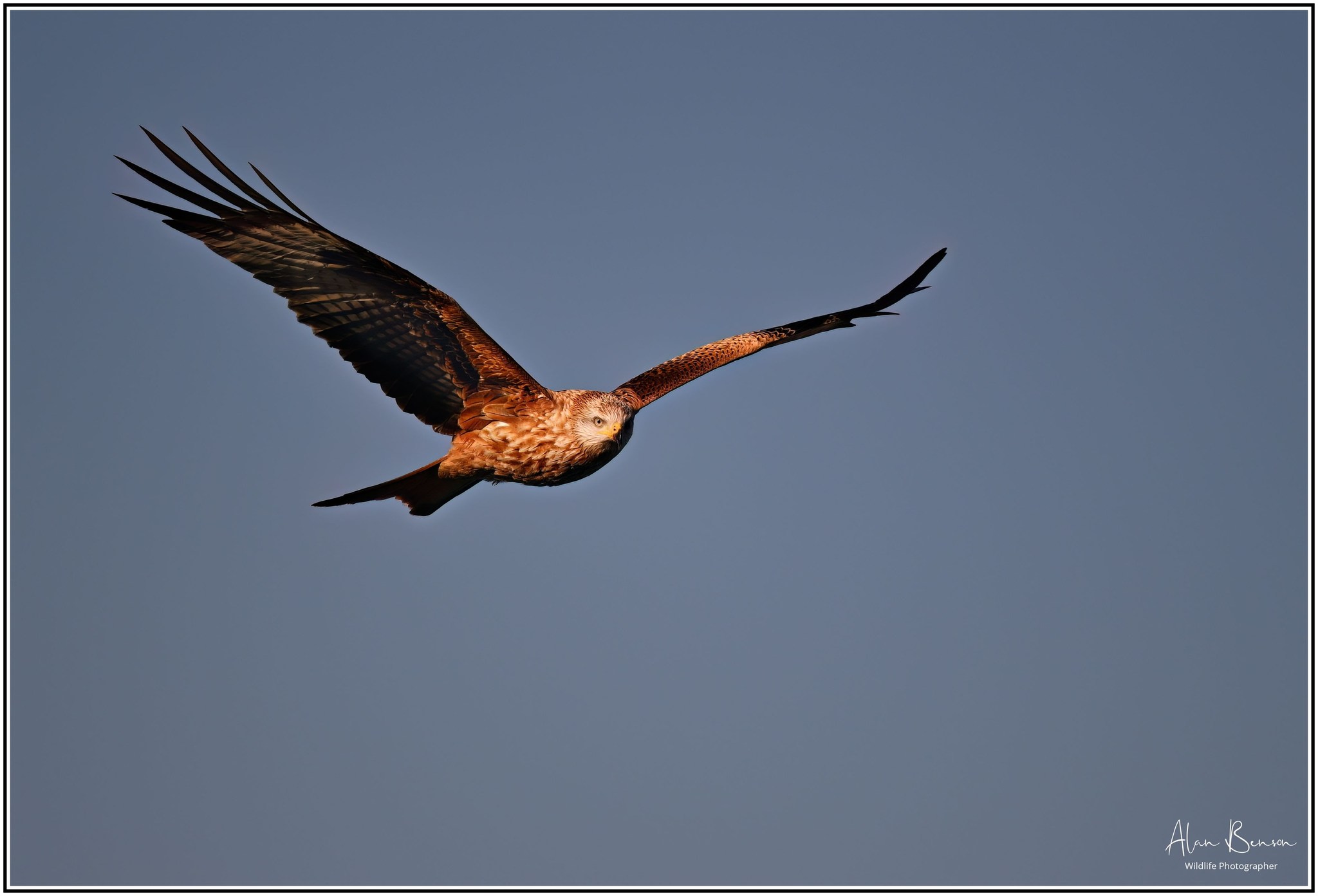
There are some birds that feel woven into the landscape rather than passing through it. The red kite is one of those. When one drifts overhead, wings slightly angled, tail gently fanned, it feels less like watching wildlife and more like witnessing a quiet piece of poetry. I remember strolling along our road in rural Wiltshire some time back when I first noticed one gliding overhead. I was in awe and remember experiencing a sense of freedom and expansion just watching it.
I point them out whenever I see or hear one. The familiar call of the red kite is a beautiful sound – click here to have a listen. My friends know how much I love them and even bought me a large wooden wall mount of a red kite for my 50th, which takes pride of place at home.
I notice them most when I’m walking without a plan. A slow afternoon, a pale blue sky, nothing urgent to get back to. The red kite tends to drift into view, gliding rather than flapping, tracing wide circles that feel calmer than the world below.
Recognising a red kite
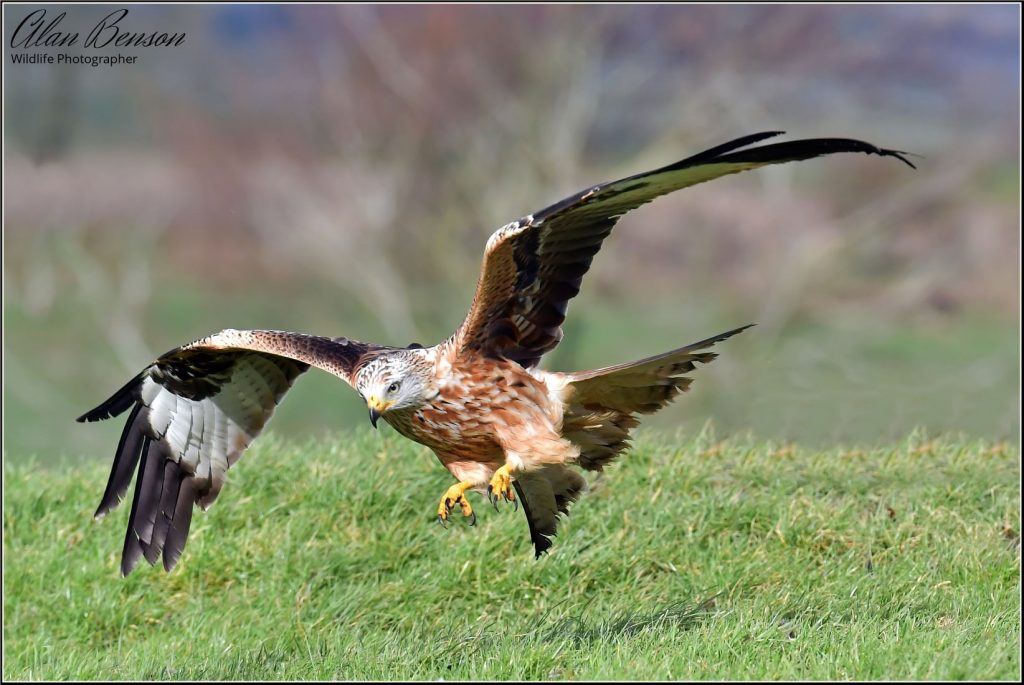
Red kites are unmistakable once you know what to look for. Their reddish-brown body, angled wings and deeply forked tail are clear identifiers, and when the light catches them just right, their colouring seems to glow against the sky.
They don’t chase their food like some hawks and falcons. Instead they often feed on carrion and small prey, flying low over open country and woodland and using their long tail to steer. There’s nothing hurried about the way they move, and once you notice the slow circling and forked tail, they’re hard to mistake.
A conservation success story
There was a time when red kites were close to disappearing from Britain altogether. Centuries ago they were widespread and common. But by the early 1900s their numbers had dwindled to just a handful of breeding pairs in mid-Wales after decades of deliberate killing and habitat loss.
From the late 1980s onwards, organised reintroduction programmes involving the RSPB, other conservation groups and local landowners helped red kites settle in new areas once again. Birds were released in places such as the Chilterns, Scotland and parts of England, and breeding was recorded within a few years.
Today, thanks to those efforts and natural spread, red kites can be seen year-round across much of the UK. They are particularly numerous in central Wales and the Chilterns, and have become a familiar sight in southern England, the Midlands, Yorkshire and parts of Scotland too.
When and where to see them
Unlike some birds of prey that are only visible at certain times of year, red kites are around all twelve months of the year. Good places to watch them include:
- The Chiltern Hills – one of the best-known strongholds in England.
- Vast rolling landscapes in central Wales, where kites are often seen swooping and circling.
- Parts of central Scotland, where they have become a regular part of the skyline.
- Open countryside, woodland edges and even near roadsides and towns where food can be found.
Look up on a sunny afternoon, especially where fields, patches of woodland and open sky meet, and you’re likely to spot them drifting high overhead.
Symbolism and meaning
Across cultures, birds have long been symbols of freedom, but the red kite carries a more nuanced message. It is not a bird of escape or speed. It does not flee the land. It stays close, visible, unhidden.
The red kite is often associated with resilience and endurance. Not the loud, heroic kind, but the quieter version. The kind that persists through difficult seasons, adapts, waits, and returns when conditions allow. Its survival story gives it a symbolic weight that feels especially relevant in times of personal or collective strain.
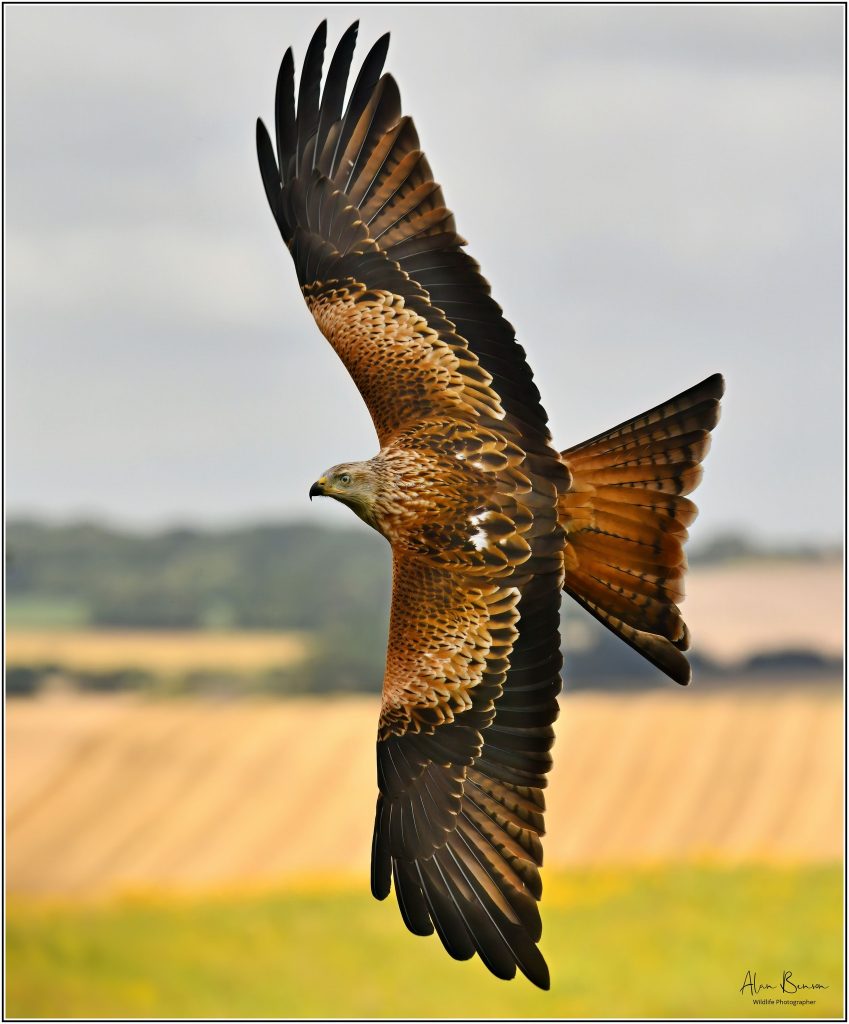
There is also a sense of balance in the way it flies. Red kites spend much of their time gliding, conserving energy, letting the air do the work. Symbolically, this can be read as trust. Trust in the unseen forces that support us when we stop pushing so hard. Trust that not everything needs effort to move forward.
In folklore, they are seen as protectors of the land, all-seeing beings, and messengers between realms.
A quiet companion on walks
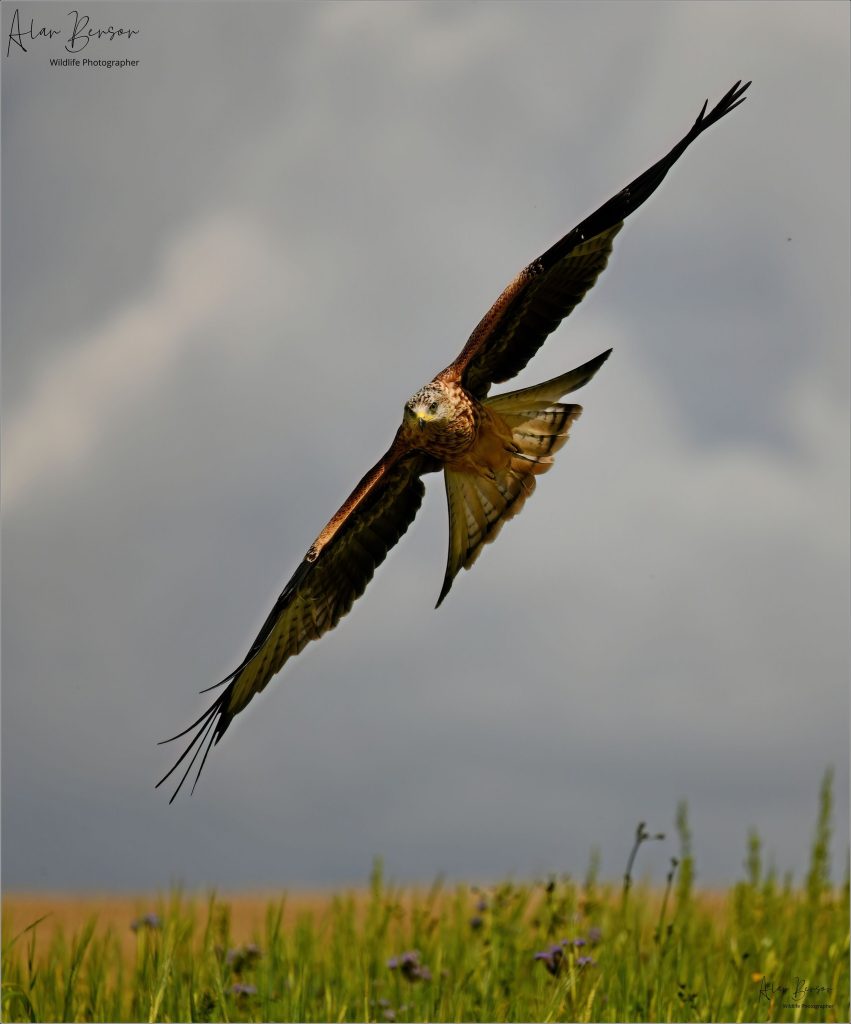
There is also something companionable about red kites. They often appear singly or in small groups, never overwhelming the sky. When one appears during a walk, it feels like a shared moment.
I find myself slowing down when I spot one. Looking up. Following its path for a while. It becomes a gentle anchor to the present moment, a reminder to lift my eyes from the ground and notice what is happening above me.
What the red kite offers us
Perhaps the gift of the red kite is this. It shows us another way of moving through the world. One that values patience over urgency. One that trusts in steady support rather than constant effort.
Its presence suggests that recovery is possible, that grace can return after loss, and that freedom does not always mean flying away. Sometimes it means staying, gliding, and letting yourself be carried for a while.
The next time you see a red kite overhead, let it hold your attention. Watch the tail adjust, the wings tilt, the body barely moving as the bird stays aloft. There is a lesson in that stillness, and a quiet reassurance too.
Thanks to wildlife photographer, Alan Benson for these stunning images. To view more of Alan’s work click here.
Beautifully written Emma, Al is an admirer of red Kites too. He always has a little joke that a red kite has ‘doffed his wing’ at him!
On hot days I sometimes see them swoop onto the surface of the canal and then straight back up.
Thanks Emma, we’re so lucky to have them in Wiltshire aren’t we!
Lovely Blog Emna. Unfortunately we dont really see any here but we have seen them when we have been in Wiltshire. They are beautiful and I agree they they are mesmeruisng and make you feel calm. Well done Emma.
Thank you – they are so calming aren’t they…so graceful.